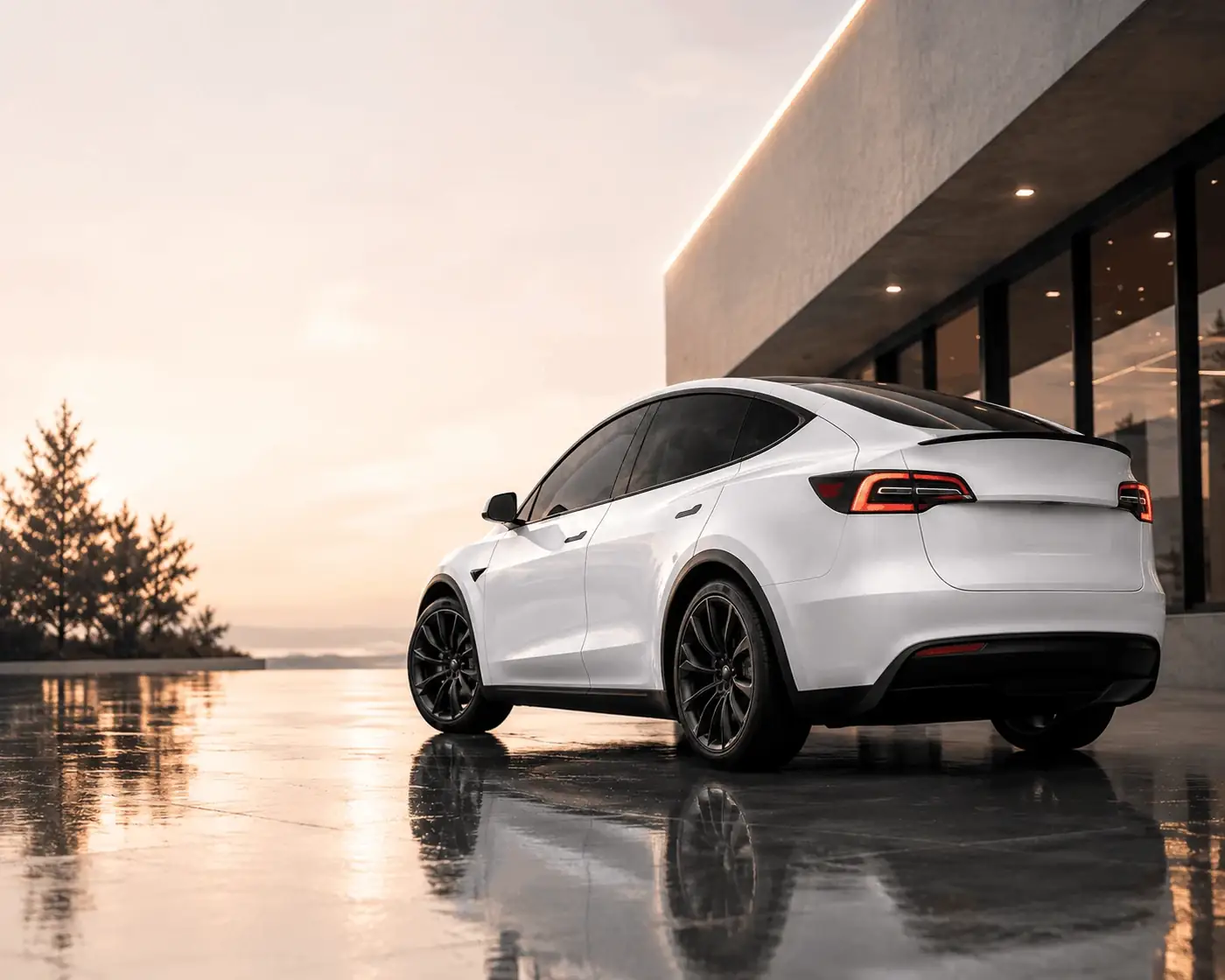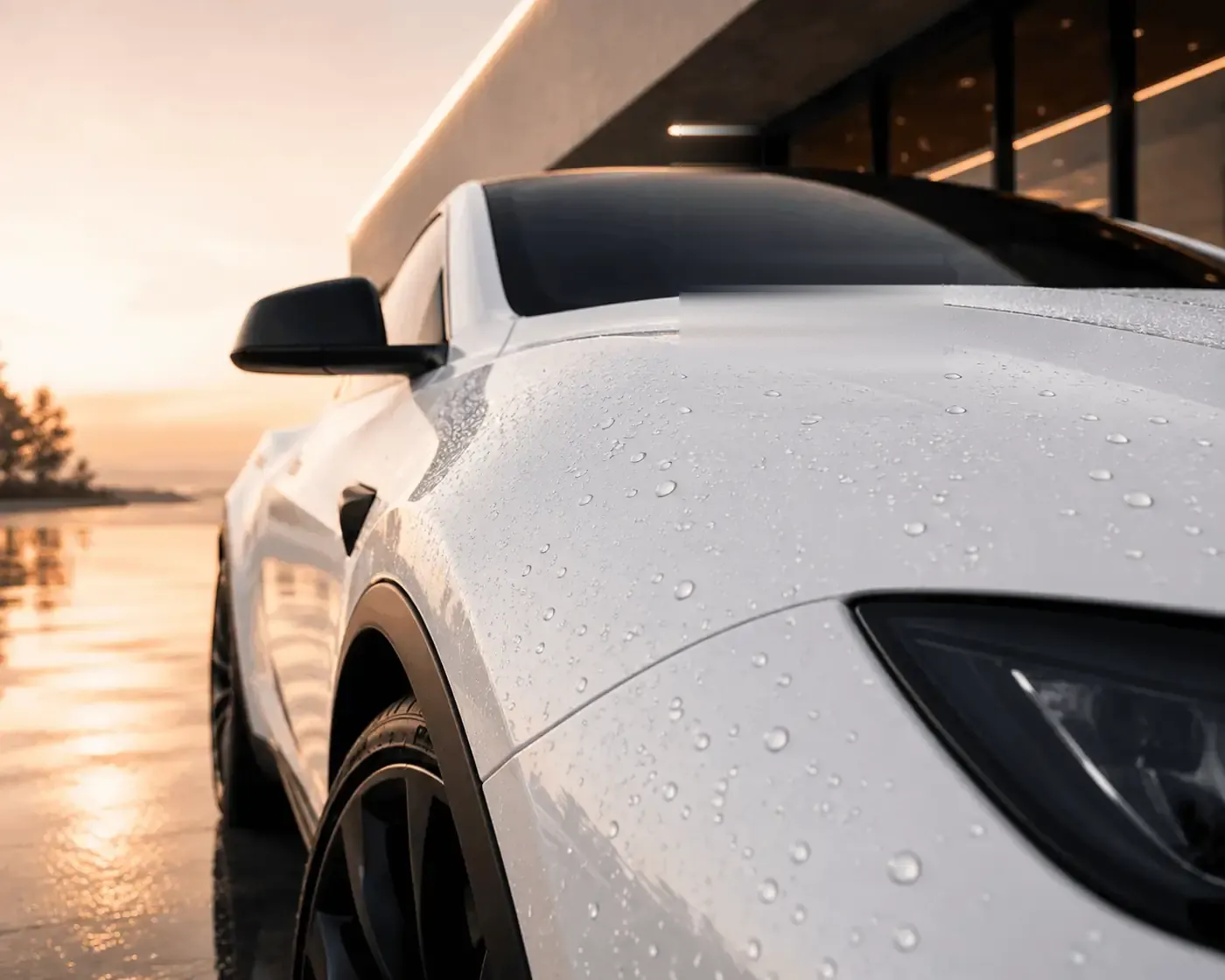
To protect car paint in Florida from sun and salt air, keep a protection layer such as wax, sealant or a ceramic coating on the paint, wash it regularly and carefully, and think about where you park. That combination deals with UV light, heat and salty, humid coastal air at the same time. None of it makes paint indestructible, but together it slows the slide toward dull, chalky, spotted paint.
Key takeaways
- The clear coat takes the abuse from UV, heat, chemicals and wash marks, and once it fails, nothing short of refinishing brings it back.
- Salt and humidity speed up rust wherever paint is broken, so touch up chips promptly and rinse lower panels and wheel wells, especially near the coast.
- Wax, sealant and ceramic coating all add a sacrificial layer. In Florida heat the main difference is how often you have to renew it.
- Preparation matters more than the product. Protection bonds to whatever is already on the surface.
- Daily habits, such as quick removal of droppings, washing in shade and drying the car, protect paint more than any product.
How is car paint built, and why does it matter?
Modern factory paint is a layered system. On the metal or plastic panel sits a primer, then a thin colored base coat, then a clear coat on top.
The clear coat is the layer you see and touch. It gives the color its depth and gloss, and it takes the abuse: UV, heat, chemicals, wash marks and scratches.
The clear coat is thin, and that shapes everything else in this article. Every defect removed by machine polishing takes a little of it away, and once the clear coat has failed, nothing short of refinishing brings it back. Protecting paint really means protecting the clear coat, and the least expensive way to do that is to stop damage from happening in the first place.
What does the Florida sun do to car paint?
Ultraviolet light slowly breaks down the resins in clear coat. Early on, you see it as a slight loss of gloss. Later the surface can look hazy or chalky, most often on the panels that face the sky all day: the roof, hood and trunk lid.
In advanced cases the clear coat cracks or peels, often starting along the edges of the roof or hood. Dark colors tend to show haze and fading more obviously than white or silver, but every color is exposed to the same process.
Heat makes everything react faster
Dark paint in direct summer sun gets hot enough that you don’t want to rest your hand on it. On a surface that hot, everything sitting on it reacts faster.
Water evaporates in seconds and leaves its minerals behind. Acidic bird droppings and bug residue soften the clear coat and can leave an etched outline that stays after the residue itself is gone. Our guide on how to remove lovebugs, bird droppings and tree sap covers safe removal step by step.
Trim, seals and headlights age too
The same sun works on everything around the paint. Black plastic trim fades to gray, rubber seals dry out, and headlight lenses turn yellow and cloudy. Those are separate problems with their own fixes, but they share a cause, and the habits later in this article help all of them.
How do salt air and humidity affect your car?
Along the coast, from Jupiter down through Palm Beach, Lake Worth Beach, Delray Beach and Boca Raton, salt travels on the breeze and settles on parked cars overnight. Dry salt on its own is mostly a dull film.
Add the humidity and morning dew South Florida has for much of the year, and you have a mildly corrosive solution sitting on the car. That speeds up rust anywhere metal is exposed: rock chips, scratches that reach bare metal, panel edges, wheel wells and the underside.
Intact paint is a good barrier. The trouble starts where it isn’t intact. A small chip on the hood that might stay stable for a long time in a dry climate can start to show rust sooner on a car that lives near the ocean. That is why chips are worth touching up promptly, and why rinsing the lower panels and wheel wells matters more here than in many other places.
Inland owners in Wellington, Royal Palm Beach or Loxahatchee see less salt, but they are not off the hook. Humidity, sun, construction dust and irrigation water still do their share.
Why do water spots form so easily here?
Water spots are one of the most common paint complaints in South Florida. Irrigation water is often hard, and a sprinkler that reaches a parked car leaves mineral-rich droplets on the paint and glass. When the sun comes out, the water evaporates and the minerals stay behind.
A summer storm followed by strong sun does the same thing to every horizontal panel. Fresh spots usually come off with a proper wash or a spray of quick detailer.
Spots left to bake can etch into the clear coat as small rings that no longer wash off. At that point they need machine polishing to reduce them. Moving the car out of sprinkler range and drying it after rain when you can prevents most of this before it starts.
What are your options to protect car paint in Florida?
Every protection product does the same basic job. It puts a sacrificial layer on top of the clear coat, so UV, water and contaminants hit that layer first. The options differ in how long the layer lasts, how hard it is, and how much preparation it needs.
| Option | What it is | Strengths | Limits |
|---|---|---|---|
| Wax | A natural or blended wax layer | Warm gloss, easy to apply at home | Wears off fastest in heat and frequent washing |
| Paint sealant | A synthetic polymer layer | Usually lasts longer than wax, good water beading | Still temporary and needs topping up |
| Ceramic coating | A thin, hard coating that bonds to the clear coat | Gloss, water behavior, contaminant resistance, easier washing | Not scratch-proof or chip-proof, still needs maintenance, sensitive to conditions during application |
In Florida heat, the practical difference is how often you have to reapply. A wax that looks fine for a while in a mild climate can fade much sooner on a car that sits in the sun all day and gets washed every week. That isn’t a reason to skip wax. It just means you watch the water behavior and top it up when beading fades.
Why preparation matters more than the product
Any protection layer bonds to whatever is already on the surface. Put a sealant over bonded iron particles, old water spots and tar, and you have sealed the contamination in.
Our Exterior Detailing ($149 / $179 / $219, about 1 hour 45 minutes) starts with a high-pressure pre-rinse and complete hand wash, then bug, tar and iron decontamination before a paint sealant goes on. The Complete Detail does the same decontamination and applies a paint sealant lasting up to 6 months, along with a full interior.
Neither package includes a clay bar. The Premium Restoration Detail is the only package with clay bar treatment of all painted surfaces, plus a single-pass machine wax and buff. A Clay Bar Treatment can also be added to other packages and is priced on inspection.
On paint with visible swirls or haze, polishing comes before any long-term coating. A coating locks in whatever the paint looks like underneath it, defects included.
Where does ceramic coating fit?
A ceramic coating improves gloss, water behavior and resistance to contaminants, and it makes the car easier to wash. It is not scratch-proof or chip-proof, it is not maintenance-free, and it is not a replacement for paint correction.
Application is sensitive to humidity, dust, sun and temperature, which matters a great deal in South Florida, so the work has to be planned around conditions. If you are weighing it up, read our honest look at whether ceramic coating is worth it in Florida before you decide.
Which daily habits protect paint the most?
The products above help. These habits help more, because they keep damage from landing on the paint in the first place.
- Park with sun and trees in mind. A garage or covered space is ideal. If the car has to sit outside, open sky usually beats a spot under a tree that drops sap and berries and attracts birds.
- Remove droppings and bug residue quickly. In summer, hours matter more than days. A quick detailer spray and a soft microfiber towel, used with light pressure, handle fresh spots. Never scrub dried residue on dry paint.
- Wash every week or two, and more often near the coast. Use a pH-neutral shampoo, two buckets and clean microfiber mitts. Rinse the lower panels and wheel wells thoroughly.
- Wash in shade, or early or late in the day. A hot panel dries soap and water before you can rinse and towel it, and that is how spots form.
- Dry the car instead of letting it air-dry. A clean, plush drying towel or filtered air keeps minerals off the paint.
- Watch the water. When rain stops beading or sheeting the way it used to, your protection layer is wearing down. Top it up.
- Avoid harsh brushes and dirty towels. They are a common cause of fine scratches. Our article on swirl marks and paint correction explains how they form.
- Touch up chips. Especially on a coastal car, seal bare metal before rust has a chance to start.
How often you wash and detail depends on parking, mileage and how close you live to the water. Our guide on how often to detail your car in Florida lays out a schedule you can adjust.
What can’t paint protection do?
It is worth being direct here. No wax, sealant or coating will:
- stop rock chips, door dings or keyed scratches,
- repair clear coat that has already failed, cracked or started to peel,
- remove scratches that go through the clear coat,
- make a car maintenance-free.
If the clear coat is already peeling, polishing cannot fix it, and protection products won’t bond well to it. That is body shop work, not detailing.
If the paint is sound but dull, swirled or hazy, machine polishing can often reduce those defects within the clear coat. How much improvement is possible depends on how much clear coat remains and whether the panel has been repainted. That is why Paint Correction starts with a $50 inspection and estimate appointment of about 30 minutes, with pricing from $499 / $649 / $799 by vehicle size after that.
FAQ
Does wax protect car paint in Florida?
It helps, but not for long. Heat, sun and frequent washing wear wax down faster than in milder climates. If you use wax, plan to reapply it often and watch for water beading to fade.
Is it bad to park in the sun every day?
Over time, yes. Daily sun exposure is the main reason clear coat, trim and dashboards age. You can’t always avoid it, but a protection layer, regular washing and a windshield sunshade reduce the effect.
Should I rinse my car after a trip to the beach?
Yes. Rinse salt off the paint, lower panels and wheel wells the same day if you can, and vacuum sand out of the carpet before it works its way into the backing.
Can faded or chalky paint be brought back?
Sometimes. If the haze sits within the clear coat, polishing can often improve gloss and clarity. If the clear coat has failed or worn through, detailing cannot bring it back, and refinishing is the honest answer.
Book a detail
If your paint is in good shape, a careful wash routine and an Exterior Detailing appointment to decontaminate and seal the surface are a sensible start. If you see swirls, haze or etched spots, or you want longer-term protection, ask about a $50 estimate appointment for paint correction or ceramic coating. We work across Palm Beach County every day from 7:30 AM to 7:30 PM. Book online or call (728) 219-4101.